


Composite Materials:

A Key Technology Contributing to Aircraft Weight Reduction
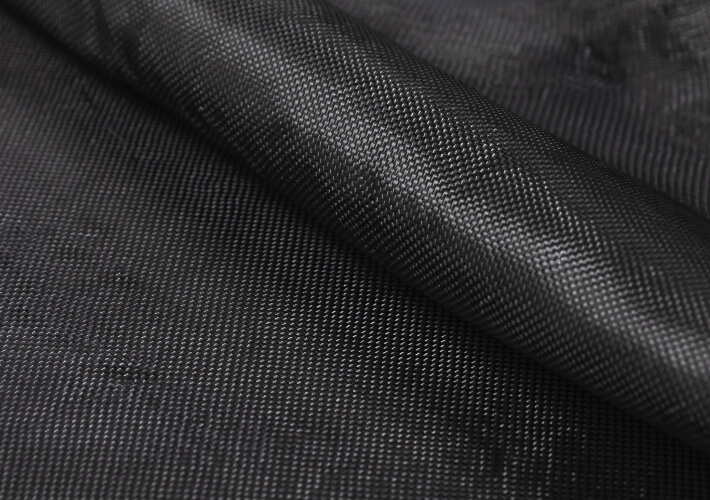
Composite materials are materials made by combining multiple materials with different properties, leveraging the strengths of each while compensating for their weaknesses to achieve performance that cannot be obtained from a single material alone. A prime example is carbon fiber reinforced plastic (CFRP), which combines carbon fiber and a thermosetting resin. CFRP offers extremely high specific strength and specific stiffness, as well as excellent corrosion resistance, and plays a significant role in reducing the weight of aircraft.
Application Status
In commercial aircraft, including the Boeing 787, composite materials account for more than 50% of the structural weight.
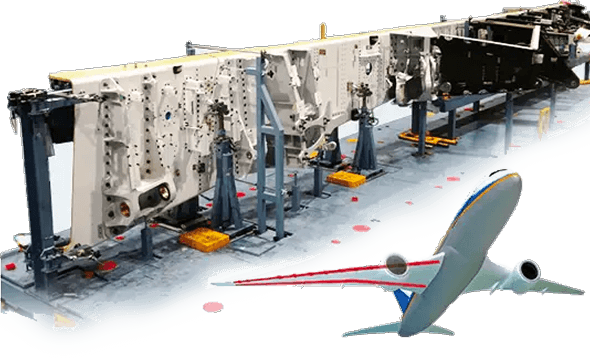
ShinMaywa Industries is using composite materials to manufacture the wing spars for the 787.
Advantages
- ・
High specific strength and specific stiffness
- ・
Excellent corrosion resistance
- ・
Significant contribution to weight reduction

Current Challenges Facing Composite Materials


Lengthy and Costly Manufacturing Processes
The thermosetting resins used in CFRP undergo a chemical crosslinking reaction during the curing process, which typically requires several hours or more, resulting in long manufacturing cycles.
In addition, to remove volatile gases generated during the reaction and residual air, laminates must be sealed in a vacuum bag and cured in an autoclave under high temperature and high pressure.
These processes are complex and often rely heavily on manual labor, leading to high costs associated with equipment installation, operation, and maintenance.


High Environmental Impact During Storage and Disposal
Prepregs, which are carbon fibers impregnated with thermosetting resin, are commonly used in aircraft CFRP parts.
To drastically slow down the curing reaction, these materials must be stored in frozen conditions. However, even under frozen storage, the reaction does not completely stop and continues slowly.
As a result, prepregs have a limited shelf life of approximately one year and are discarded after their expiration date. Furthermore, since cured CFRP parts cannot be remelted, recycling is difficult, raising concerns about long-term environmental impact due to increasing waste.
To address these challenges and contribute to the development of sustainable next-generation aircraft, our company is focusing on the following initiatives:
Thermoplastic CFRP MoldingCFRP recycling
We are actively promoting the development of these technologies.

